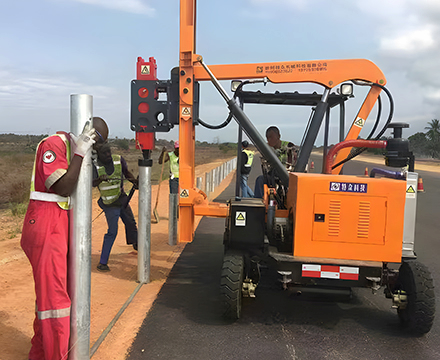
Apabila orang ramai berfikir tentang pemacu cerucuk penghadang, mereka sering menumpukan pada kuasa enjin atau saiz tukul hidraulik. Tetapi di tapak pembinaan lebuh raya yang sebenar, apa yang benar-benar penting ialah sama ada mesin itu boleh bekerja dengan cekap, selamat dan stabil, bukannya betapa besarnya angka-angka itu kelihatan.Berikut ialah panduan praktikal berdasarkan senario kerja sebenar—meliputi soalan yang setiap pengurus projek dan jurutera tapak ambil berat, tetapi jarang dijelaskan dengan jelas.1️⃣ Tenaga Impak Tunggal Tukul HidraulikMengapa "Lebih Tinggi Lebih Baik" adalah Satu Salah TanggapanSalah faham yang biasa berlaku di tapak pembinaan ialah:"Lebih tinggi tenaga impak tunggal, lebih baik cerucuk prestasi.” Pada hakikatnya, ini bukan sahaja tidak tepat tetapi juga boleh berisiko.✔ Apa sebenarnya maksud tenaga impak tunggal Tenaga impak tunggal menentukan berapa banyak daya yang diberikan oleh setiap hentaman kepada cerucuk. Ia mesti dipadankan dengan teliti mengikut: Jenis cerucuk Ketebalan dinding cerucuk Keadaan tanah atau tanah ❌ Apa yang boleh menjadi salah jika ia tidak sepadan Terlalu tinggi → buasir mungkin retak atau berubah bentuk Terlalu rendah → cerucuk mungkin tidak menembusi tanah ✅ Cadangan praktikal Bagi kebanyakan projek penghadang lebuh raya, satu tenaga impak di sekeliling 1000 J adalah ideal. Keseimbangan ini memastikan: Penembusan cerucuk yang lancar Kerosakan cerucuk minimum Kualiti pembinaan yang konsisten 🔧 Cara melaraskan Tenaga impak tunggal dikawal melalui tekanan nitrogen di dalam tukul hidraulik: Tekanan nitrogen yang disyorkan: 12–13 bar Tekanan lebih tinggi → tenaga hentaman lebih tinggi, tetapi frekuensi hentaman lebih rendah dan kecekapan lebih rendah Pendekatan yang paling berkesan ialah: Tentukan tenaga hentaman maksimum yang boleh ditangani oleh cerucuk dengan selamat Laraskan tukul untuk mencapai frekuensi impak optimum, bukannya tenaga tertinggi yang mungkin ⚠ Nota profesional Kebanyakan mesin cerucuk di China menggunakan Tukul hidraulik jenis 85 (diameter rod tukul 85 mm). Menetapkan tenaga terlalu tinggi (contohnya, 1500 J) akan mengurangkan frekuensi impak secara drastik, yang mana tidak praktikal untuk projek profesional.2️⃣ Bekerja di CerunTapak lebuh raya dan pembinaan jalan raya jarang sekali rata sempurna. Cerun, bahu jalan, dan rupa bumi yang tidak rata adalah perkara biasa.Di cerun, kebimbangan utama bukan sekadar kuasa—iaitu kestabilan mesin dan brek yang boleh dipercayai.✅ Penyelesaian projek sebenar Kami Pemacu cerucuk penghadang TZ390 datang dengan: Roda belakang dilengkapi dengan sistem brek pemotongan udara Sistem ini menyediakan: Daya brek yang kuat Brek automatik sekiranya berlaku kehilangan tekanan udara Penetapan selamat di cerun 👉 Reka bentuk ini dibuat khusus untuk operasi cerun, ciri yang kekurangan dalam banyak mesin pesaing.3️⃣ Ketinggian, Lejang, dan Kestabilan Tiang CerucukDengan lejang cerucuk yang mencukupi, tiang yang lebih tinggi tidak selalunya lebih baik. Malah, tiang yang lebih tinggi meningkatkan pusat graviti mesin, yang boleh mengurangkan kestabilan dan meningkatkan risiko operasi. Mengekalkan tiang yang lebih rendah membantu menurunkan pusat graviti, meningkatkan kestabilan keseluruhan dan memastikan operasi yang lebih selamat. Selain itu, sudut tiang kami boleh dilaraskan—jadi walaupun mesin sedang bekerja di cerun, tiang boleh ditetapkan secara menegak dengan sempurna, dan kedalaman serta ketepatan cerucuk kekal tidak terjejas. Ini bermakna anda tidak perlu risau tentang cerucuk condong atau kedalaman yang tidak konsisten semasa pembinaan.✅ KesimpulanMemilih pemacu cerucuk rel pengadang yang betul bukanlah tentang nombor yang lebih besar—ia mengenai sama ada mesin itu sesuai untuk persekitaran projek lebuh raya anda: Tenaga hentaman tunggal yang betul Sistem brek cerun yang boleh dipercayai Lejang yang mencukupi dan tiang yang stabil Operasi yang mudah dan cekap untuk seorang pengendali Pemacu cerucuk yang betul boleh dengan ketara meningkatkan keselamatan, kecekapan dan kualiti projek secara keseluruhan, sambil mengurangkan kos buruh dan kerja semula.
Jika anda berminat dengan produk kami dan ingin mengetahui butiran lanjut, sila tinggalkan mesej di sini, kami akan membalas anda secepat mungkin.
Our hours
Sama ada hari cuti atau perayaan, kami akan mempunyai seseorang untuk menerima anda 24 jam sehari dan memberi maklum balas kepada anda dalam masa yang paling singkat.




 Rangkaian IPv6 disokong